How car recycling works

How car recycling works

What happens to a car after it is sold for scrap, step by step, and why recycling is the responsible choice.

Tell us about your car

Two short steps. No obligation to sell.

  1. 1. Your car
  2. 2. How to reach you

Step 1 of 2: your car

Does it run?
6 characters, like A1A 1A1
Photos (optional, up to 6)

Sending this form does not book a tow or commit you to sell.

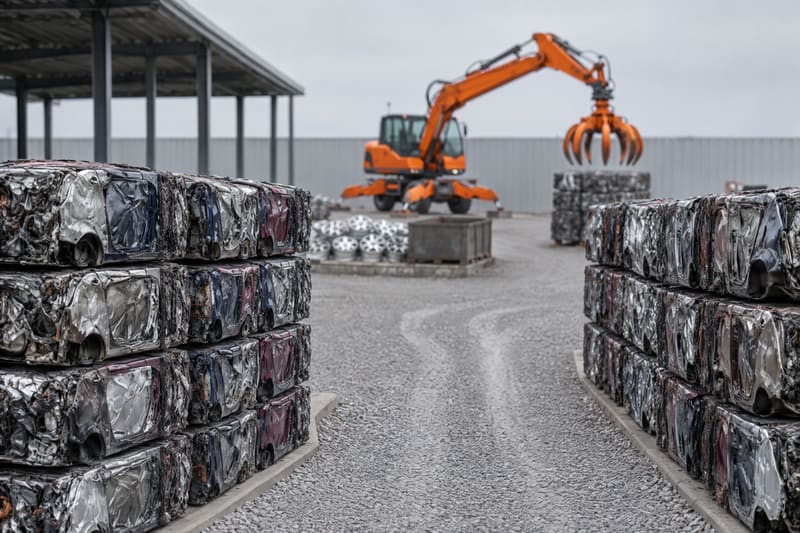
Crushed car bodies stacked in rows at a recycling site

Step by step

What happens to a car that is recycled in Ontario

  1. Fluids out first

    Ontario's end-of-life vehicle rules say all fluids must be drained and collected before a car is crushed or shredded. That includes antifreeze, fuel, oil and washer fluid. It is done on a sealed surface that contains spills.

  2. Hazardous parts set aside

    Batteries are stored out of the rain. Mercury switches, used in hood and trunk lights and some anti-lock brakes before 2003, go into sealed, labelled containers. Before the car is dismantled, a person holding a provincial certificate must confirm the air-conditioning refrigerant is gone.

  3. Good parts reused

    Most end-of-life cars go first to a dismantler, who takes off parts that can be reused directly or rebuilt.

  4. Crushed, shredded, made new

    The stripped body is crushed and shredded. Steel is magnetic, so it is easy to separate. The shredded steel is sold to steel mills and foundries to make new steel.

By the numbers

Why recycling a car matters

More than 80% of a car's weight can be reused or recycled

When a car is properly taken apart, more than 80% of its weight is usually reused or recycled. Different sources put it at 83% to 85%.

Source: Report for Natural Resources Canada (2020), citing the Ontario Automotive Recyclers Association; Automotive Recyclers of Canada

About 1.6 million a year

That is roughly how many vehicles are scrapped in Canada each year.

Source: Report for Natural Resources Canada (2020)

1,400 kg of iron ore saved

Every tonne of scrap steel made into new steel saves over 1,400 kg of iron ore, 740 kg of coal and 120 kg of limestone.

Source: World Steel Association fact sheet

Steel can be recycled again and again

Steel is 100% recyclable and can be reused indefinitely, which is why the metal in your old car can become something new.

Source: World Steel Association fact sheet

Reuse counts

Reusing parts is recycling too

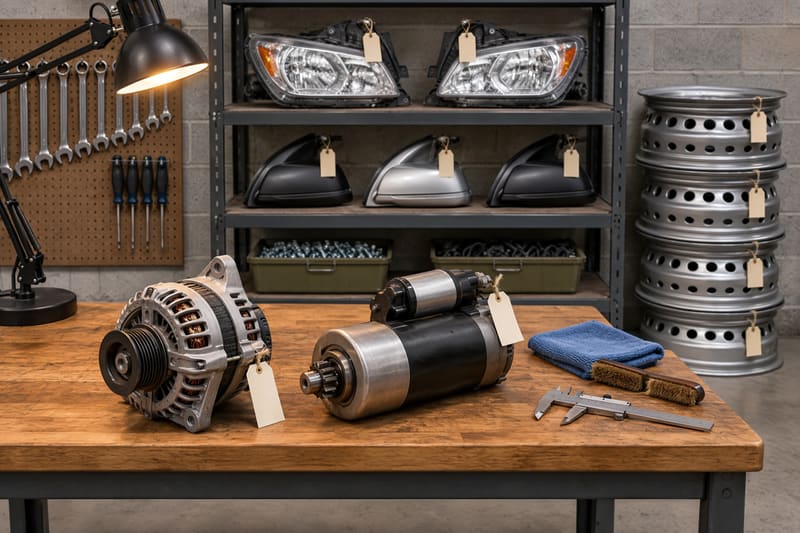
The Automotive Recyclers of Canada call reusing quality parts from another vehicle "perhaps the purest form of recycling". Reusing a part avoids the energy and emissions of making a new one.

Engines, doors, lights, wheels and many other parts can find a second car.

Tell us about your car
Used car parts on a workbench and shelves, tagged for reuse

The rules for recyclers in Ontario

Ontario Regulation 85/16 covers sites that manage end-of-life vehicles. Sites covered by it have had to register with the province since September 30, 2016, and its operating rules have applied since September 30, 2017.

Those sites must drain fluids before crushing and store batteries, mercury switches and lead parts safely. They must keep a spill plan and train their staff. They must also keep records for two years, including each car's vehicle identification number.

Refrigerant from car air conditioners is covered by a separate Ontario rule, O. Reg. 463/10.

Honest about the rest

Not every part of a car can be recycled yet. What is left after shredding, mostly plastic, glass and foam, is mostly used as landfill cover in Canada. Recycling the rest is still far better than leaving the whole car to rust.

Sell your car in two short steps.

Two short steps. Sending the form does not book a tow or commit you to sell.

Tell us about your car
Sell my car