Scrap and end-of-life cars
Scrap and end-of-life cars in Thunder Bay
When repairs cost more than the car is worth, or it will not make it through another winter, recycling is the responsible way to let it go.
- Running or not
- Rusted, wrecked or stripped
- No obligation to sell
Tell us about your car
Two short steps. No obligation to sell.
- 1. Your car
- 2. How to reach you
Why recycle it
An old car is not just junk
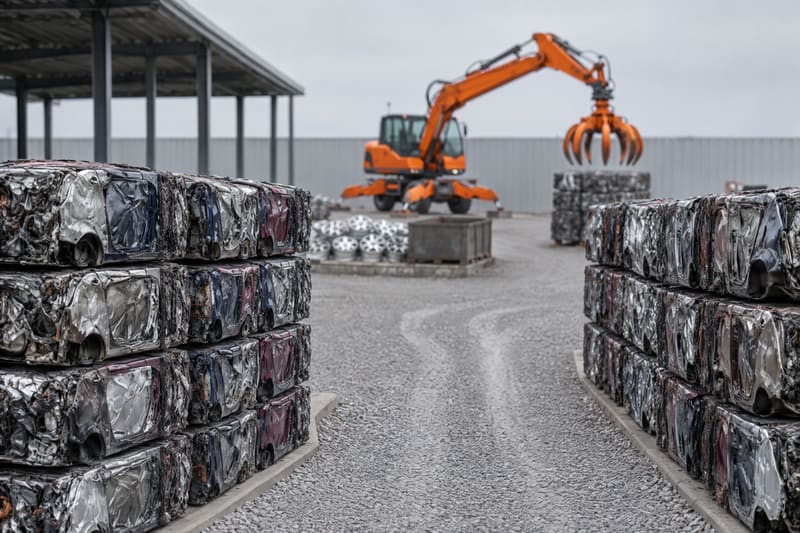
An old car holds fuel, oil, coolant and a battery, and older cars can hold mercury switches too. Recycled properly, those are removed and handled under Ontario's rules, useful parts get a second life, and the metal is made into new steel.
The Automotive Recyclers of Canada's environmental code for its members aims to keep those materials out of the water, air and soil. That beats a car rusting behind the shed.
Tell us about my car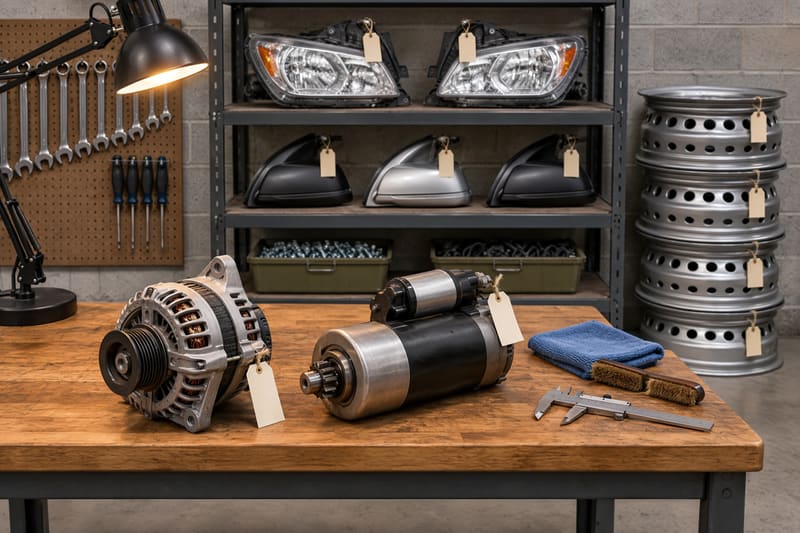
The short version
What happens to a scrap car
Made safe
Fluids drained. Battery, mercury switches and refrigerant removed.
Parts saved
Working parts are taken off to be reused or rebuilt.
Crushed and shredded
The body is crushed and shredded, and the steel is pulled out with magnets.
New steel
The steel goes to mills and foundries to become new steel.
Read the full steps and sources on How car recycling works.
Is it end-of-life?
Signs it may be time
- Repairs would cost more than the car is worth to you.
- It failed a safety inspection and you do not plan to fix it.
- It has not moved in months, or years.
- Rust has eaten through the body or frame.
- Your insurer has written it off after a collision or flood.
Not sure? Send the details anyway. There is no obligation to sell.

Sell your car in two short steps.
Two short steps. Sending the form does not book a tow or commit you to sell.